
Plush toy safety standards: EN71, ASTM F963 and CPSIA
Selling plush to children in the EU or US means meeting a specific standard. Here's what each one covers and when to arrange testing.
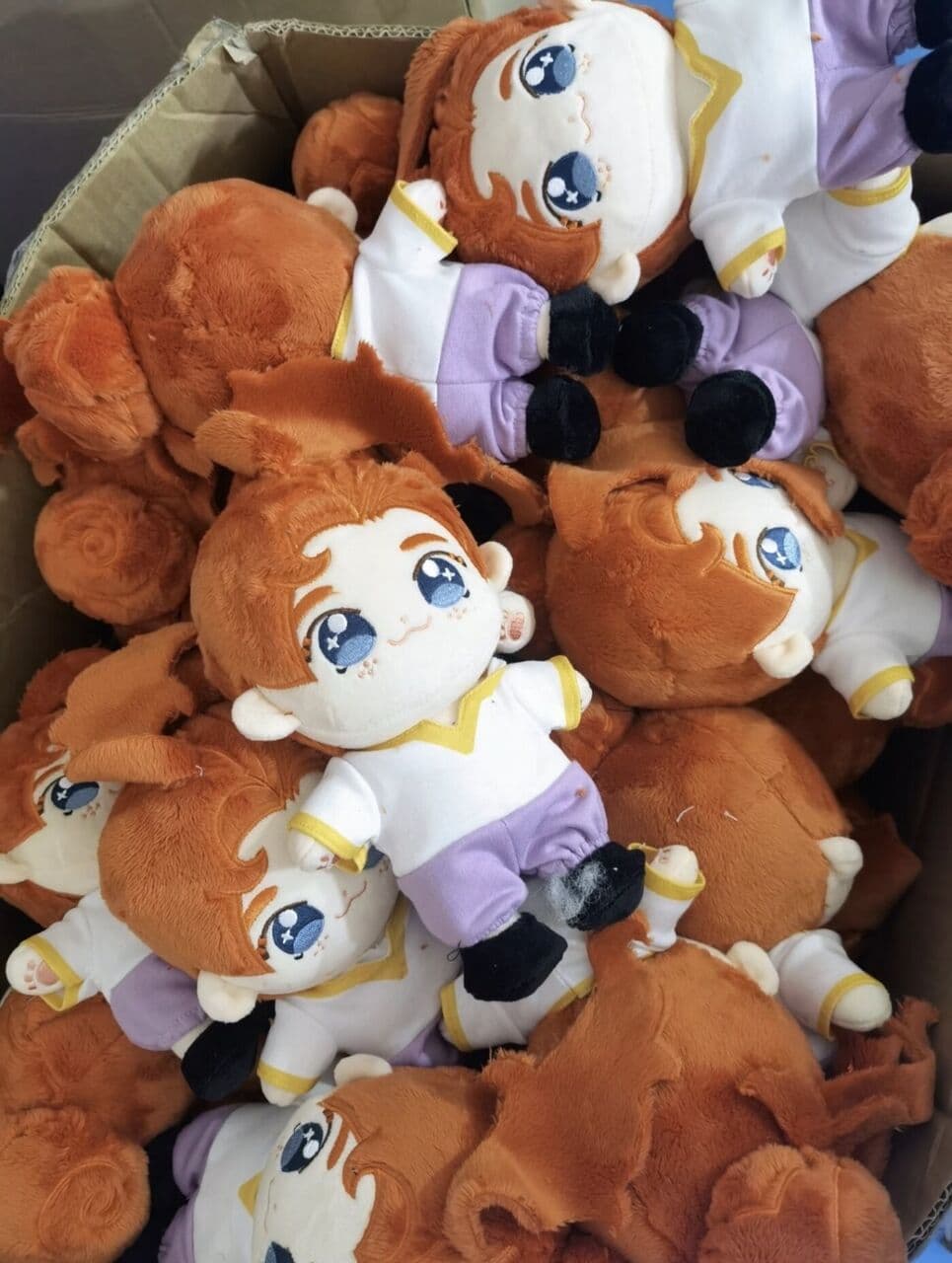
If your plush will be sold to or used by children, safety compliance isn't optional — it determines whether your shipment clears customs and whether a retailer will stock you at all. The three standards that come up most often are EN71, ASTM F963 and CPSIA.
None of this is exotic. It just needs planning early, because testing takes time and happens after production.
Which standard applies where
Other markets layer their own rules on top — Canada, Australia and Japan among them — but a product built to EN71 and ASTM F963 is usually in reasonable shape to adapt.
- EN71
- European Union and UK — the core toy safety standard
- ASTM F963
- United States — the standard consumer safety specification for toys
- CPSIA
- United States — federal law covering lead, phthalates, tracking labels and third-party testing
What actually gets tested on a plush toy
For plush specifically, attachment strength is the recurring failure point. Sewn-on or embroidered features are far safer than glued ones, which is why embroidered eyes are standard on toys aimed at younger children.
- Mechanical and physical safety — small parts, seam strength, whether eyes or noses can be pulled off
- Flammability — how the surface fabric behaves when exposed to flame
- Chemical content — heavy metals including lead, plus phthalates in any plastic component
- Filling material — cleanliness and composition of the stuffing
- Labelling — age grading, warnings, tracking information and country of origin
Age grading changes the requirements
A plush intended for under-3s faces stricter small-parts rules than the same design sold as a collectible for teenagers and adults. Decide your target age before the design is finalised, not after — it affects whether you can use plastic safety eyes, add small accessories, or include a hang tag with a detachable element.
Labelling a product 14+ to sidestep child-safety testing is a well-known shortcut and a bad idea if the product is obviously a children's toy. Retailers and customs authorities both look at whether the grading is credible.
How to plan testing without wrecking your timeline
Testing is done by an accredited third-party lab on samples pulled from actual production. That means it happens near the end, and a failure at that point is expensive.
- Tell your factory which markets you're selling into before sampling, not after
- Confirm materials are compliant at the sampling stage — fabric and filling certificates exist for this
- Budget both the money and roughly one to two weeks of calendar time for lab work
- Keep the test reports; retailers and customs may ask for them
How we handle it
We manufacture to EN71, ASTM F963 and CPSIA requirements using non-toxic fabrics and fillings, and can arrange third-party lab testing for your order so you hold the reports you need. If you tell us your destination market at the quoting stage, we'll build the right materials and the right test plan into the schedule from the start.