
Choosing plush fabric: short pile, minky, faux fur and more
Fabric decides how your plush feels, how well it holds detail, and what it costs. A short guide to picking the right one.
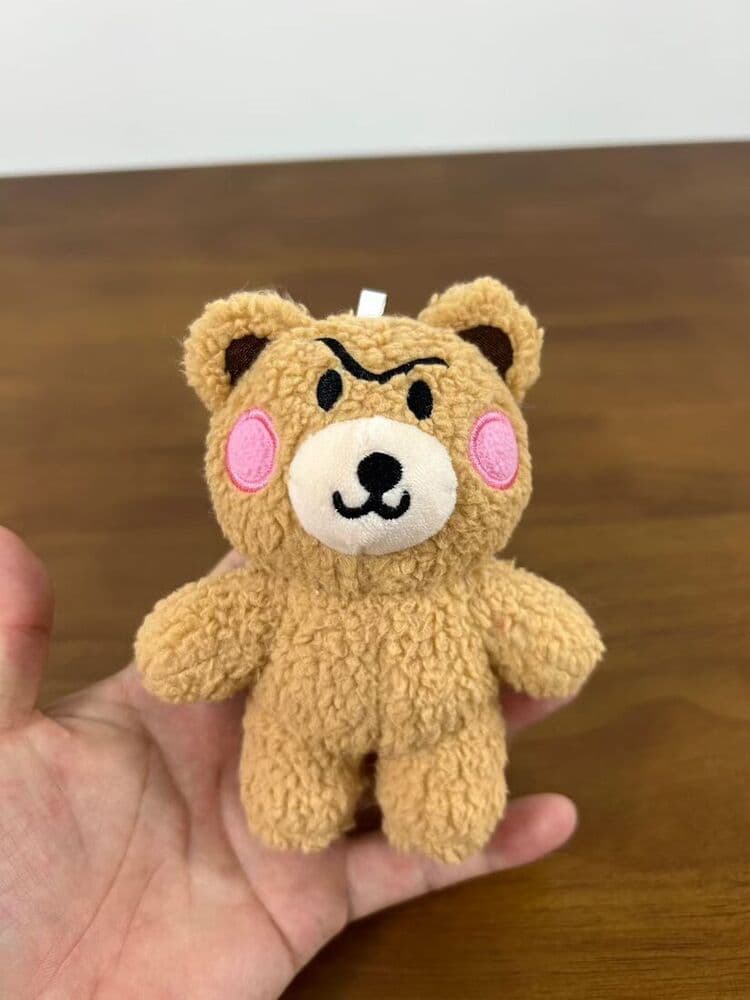
Fabric is the decision that most changes how a finished plush feels in the hand — and how faithfully it reproduces your character. Two plush made from the same pattern in different fabrics can look like different products.
Short-pile plush
The workhorse. A short, dense surface that holds shape and edges cleanly, which makes it the default for characters with defined features, colour blocking or a crisp silhouette. It's also the most economical option and the easiest to colour-match accurately.
Choose it when the design has to read clearly — mascots, branded characters, anything with a distinct face.
Long-pile plush and faux fur
Longer fibres give a fluffy, luxurious feel and are excellent for animals where texture is the point — bears, sheep, big cats. The trade-off is detail: long pile softens edges and can swallow small features, and it costs more both in material and in labour, because pile direction has to be matched across panels.
Minky
Very soft, slightly stretchy, with a fine silky surface. It's the usual pick for baby and infant products and for anything sold on tactile appeal. Its stretch needs experienced handling — it can distort a pattern if sewn like a stable fabric — but the result is hard to beat for softness.
Corduroy and specialty fabrics
Ribbed corduroy, velour, terry and knits give a plush a distinctly designed, non-generic look, which suits lifestyle brands and adult collectibles. They behave differently under stuffing than standard plush, so expect a sampling round dedicated to getting the shape right.
Filling: PP cotton and PE pellets
PP cotton is the standard filling — light, springy and soft. PE pellets add weight and are typically used in the base or limbs to give a plush a satisfying heft and help it sit upright.
Filling density is a real design decision, not an afterthought. A firmly stuffed plush holds its shape and photographs well; a softly stuffed one is more huggable. Tell us which you want, because it's easy to set at sampling and awkward to change afterwards.
Embroidery or printing for details?
Embroidery is durable, has physical texture, and is the safest option for faces on toys aimed at young children. It's less suited to gradients and very fine linework.
Printing handles complex artwork, gradients and photographic detail that embroidery can't reproduce. Many designs use both — an embroidered face with a printed pattern elsewhere.
Not sure? Ask for a swatch
Fabric is genuinely hard to judge from a screen. We can send swatches before sampling so you can feel the pile height and check colour in daylight — a small step that prevents the most common disappointment in a first plush order.